Heirloom Futures

Herbaria, like other natural history collections, offer verifiable records of a species’ presence in a specific place at a specific moment in time. Today, over 396 million specimens are held across more than 3,000 active herbaria around the world. Together, they form the foundational documentation of nearly every formally described plant species on this planet. In many cases, they are the only remaining trace of a vanished lifeform.
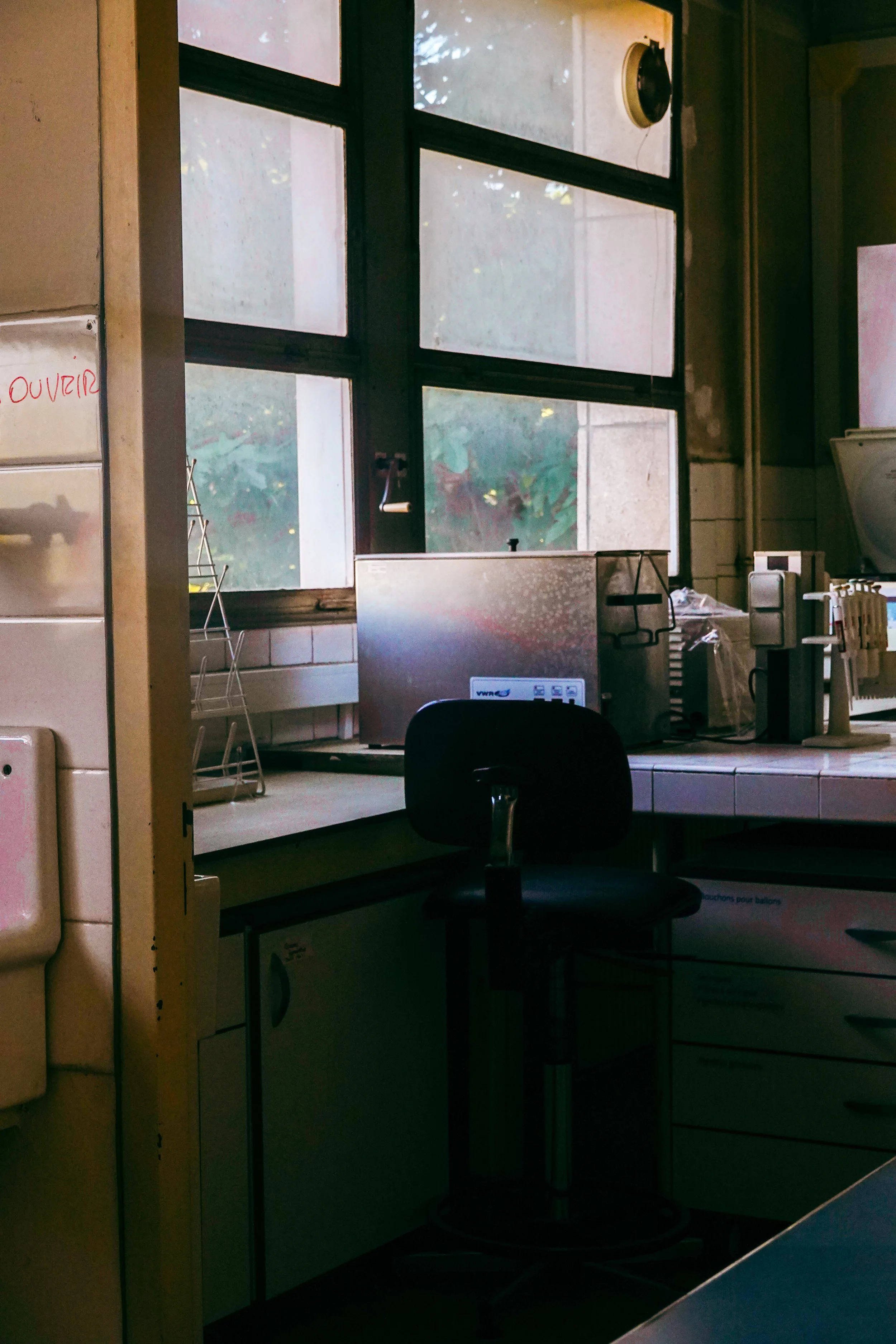
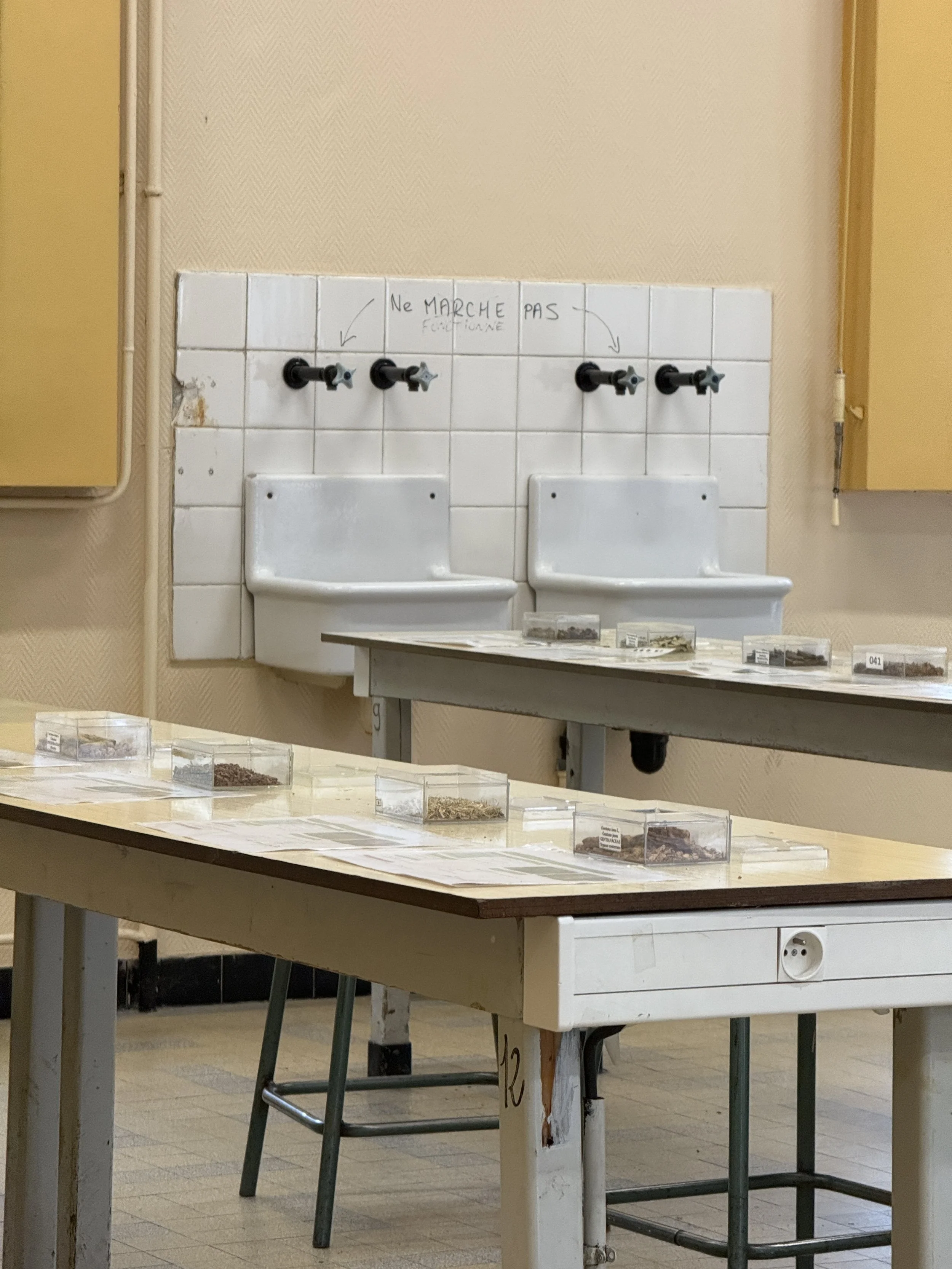
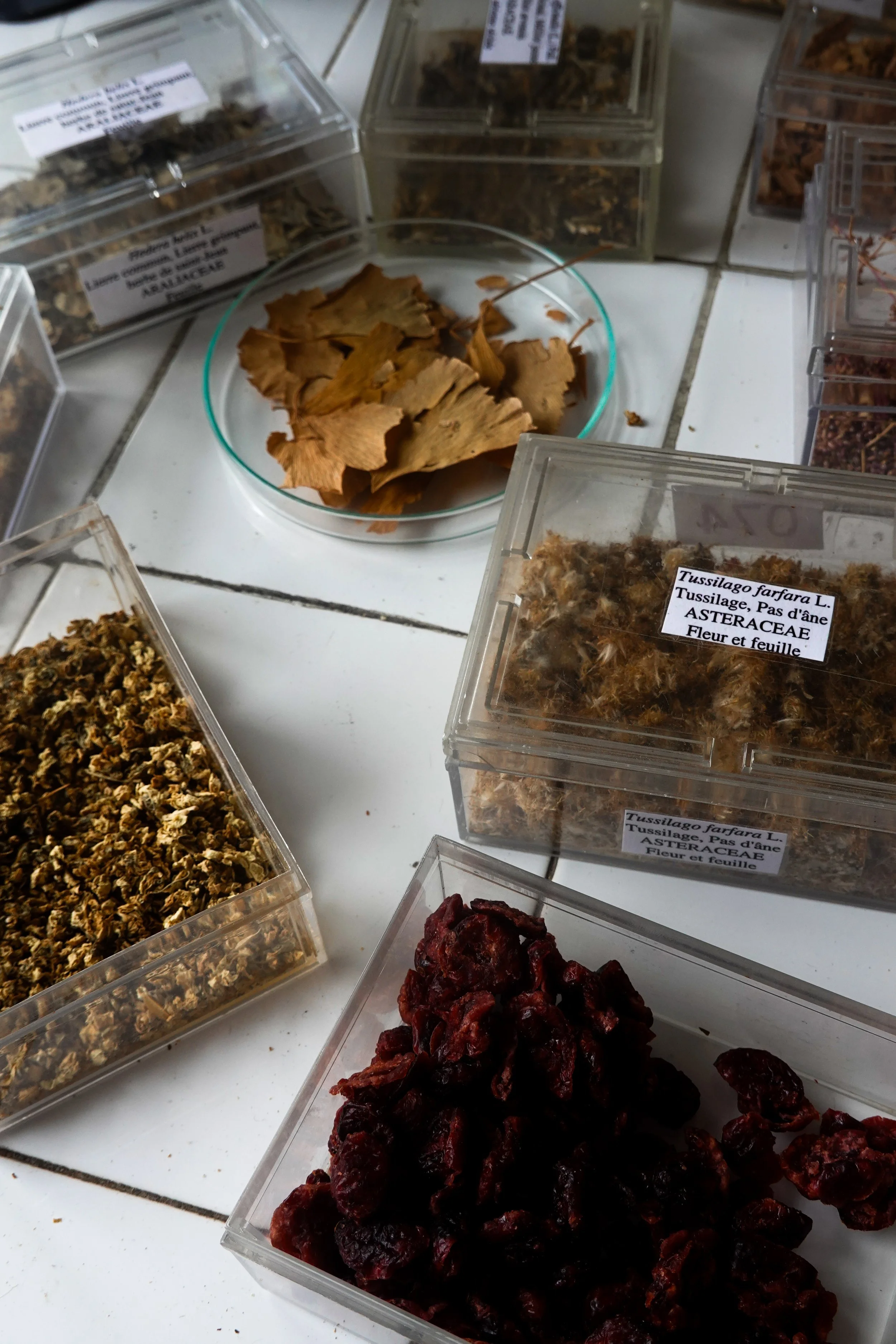
Housed within the Faculty of Pharmacy at the University of Montpellier, the Droguier, as it is known in French—is quite unlike other herbaria. Established in the late 16th century, and officially designated a historic monument in 2009, it comprises over 10,000 samples, primarily of plant origin, including the largest collection of cotton in France, rare quinine specimens, textile fibres, and natural pigments from indigo to cochenile insects. In its rich and largely understudied collection of materia medica are rare plant objects as well as dried specimens from across the globe, from Latin America, the Caribbean, Africa to India, South East Asia or New Caledonia. The present specimens span stories and chapters from environmental history of plants, abortifacients and contraception, food security, to vernacular design practices inspired by traditional medicinal knowledge – in short, largely relevant societal topics whose relevance extends beyond the walls of the Droguier itself.
More than just a plant collection, the Droguier is an ecosystem in itself, where insects, animal fragments, fungal spores, and other life forms invisible at first glance coexist. Among lichens, tortoise scales, cochineal insects used for dye, silkworms, and microorganisms colonising ancient specimens, the collection reveals complex interspecies interactions—a living network where the boundaries between nature and culture begin to blur.
There is a reason why the collection boasts such an immense heritage: the vast majority of its 10,000 or so samples of mostly plant origin were gathered in former French colonies, mostly as the result of bioprospecting missions that systemically extracted both natural heritage and indigenous knowledge. They were displayed during French colonial exhibitions of 1906 up until 1931 with the “potential” to showcase their industrial application. The Droguier is linked to histories deeply entwined with indigenous and traditional knowledge as well as European colonial history. We cannot engage with this collection without confronting its colonial past—and putting the stories and narratives of the communities whose heritage this is back at the centre. This work is long overdue.
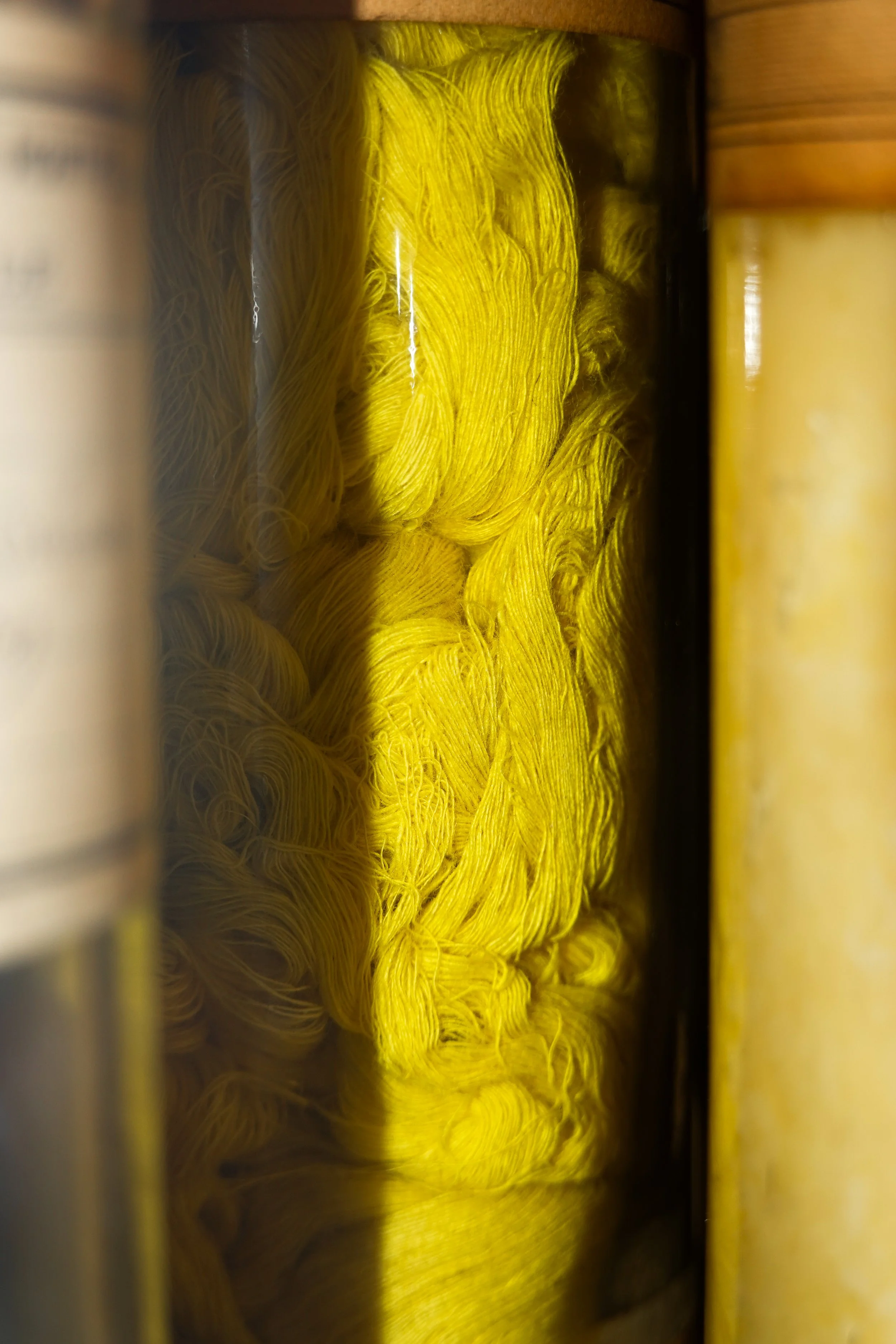
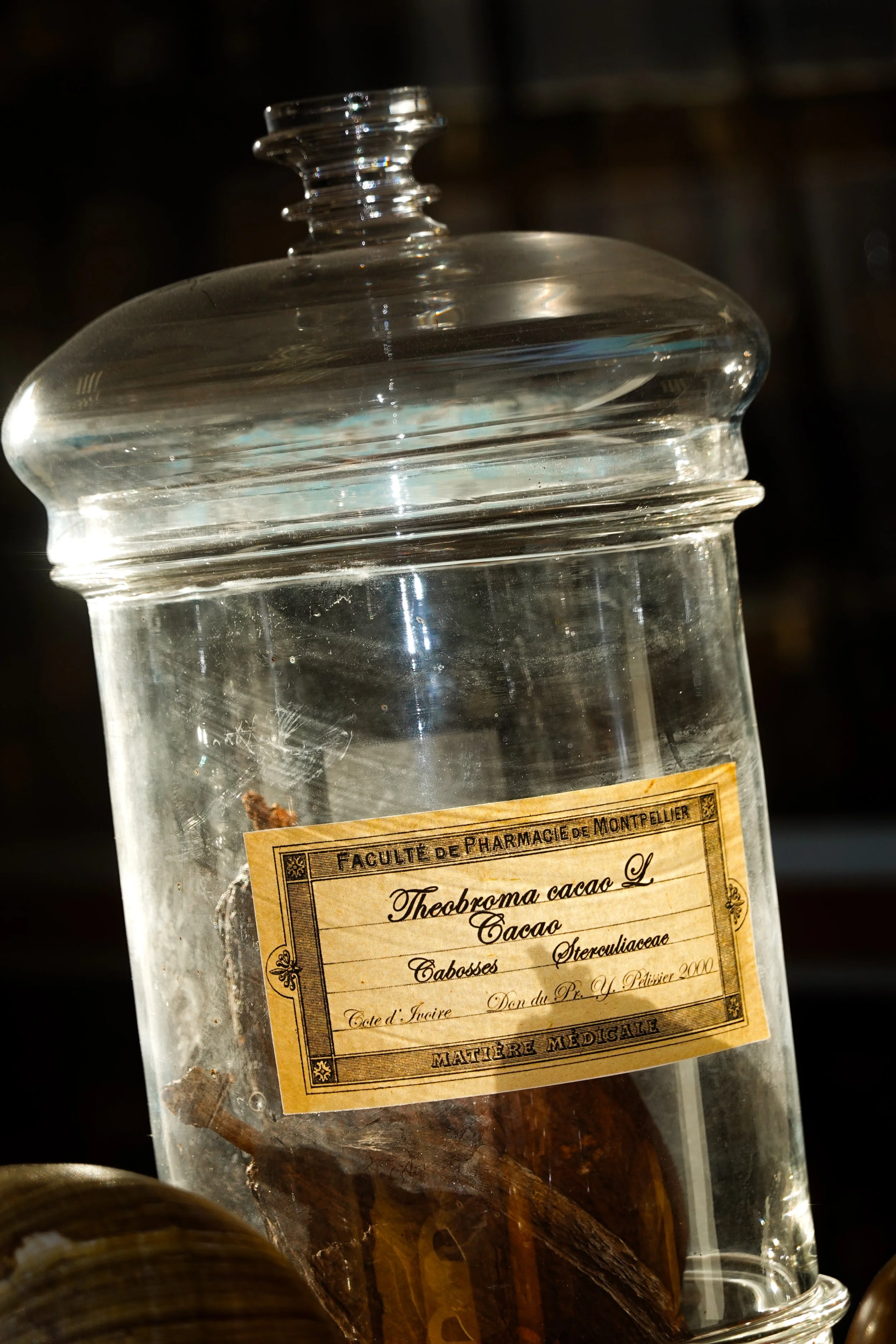
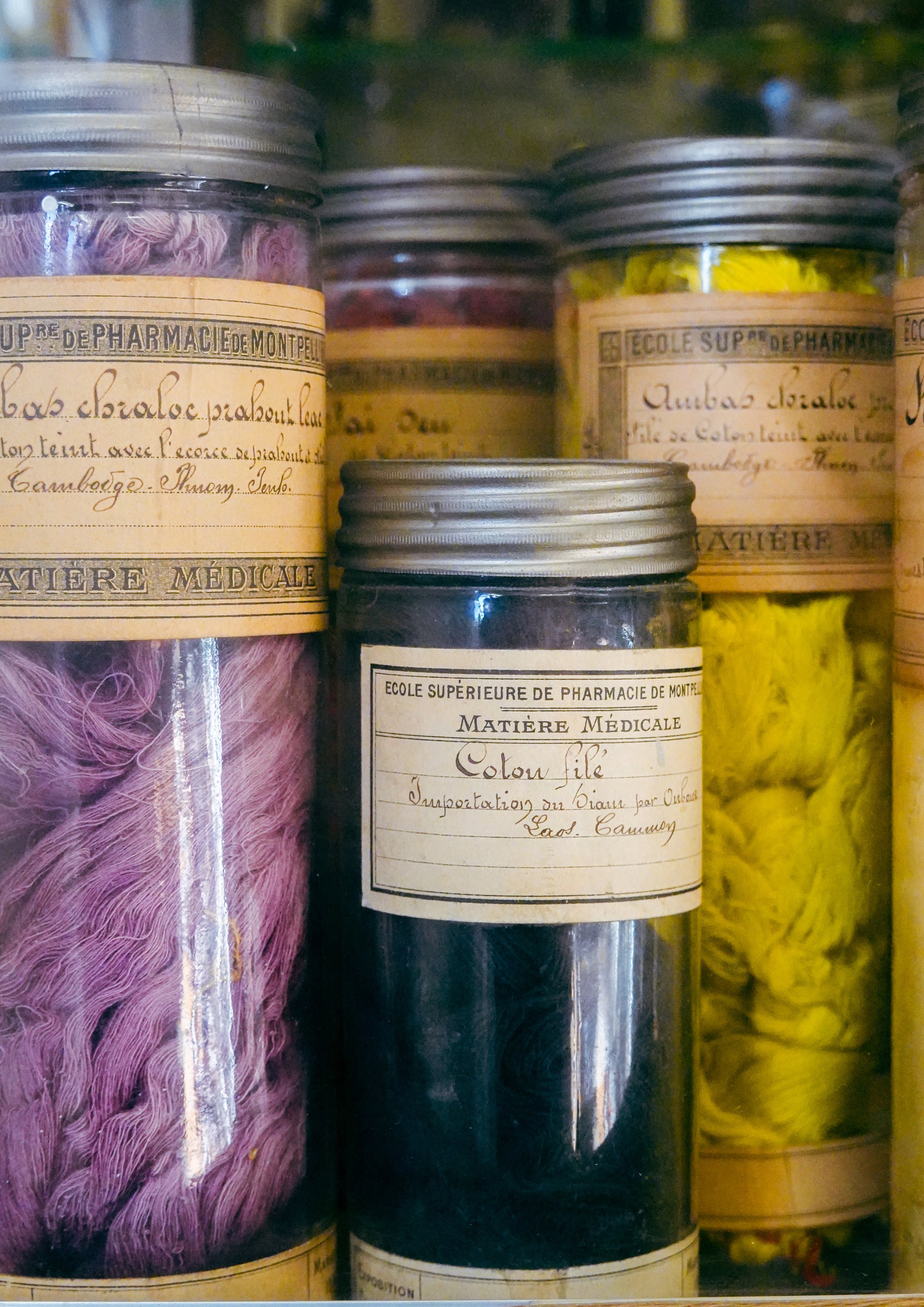
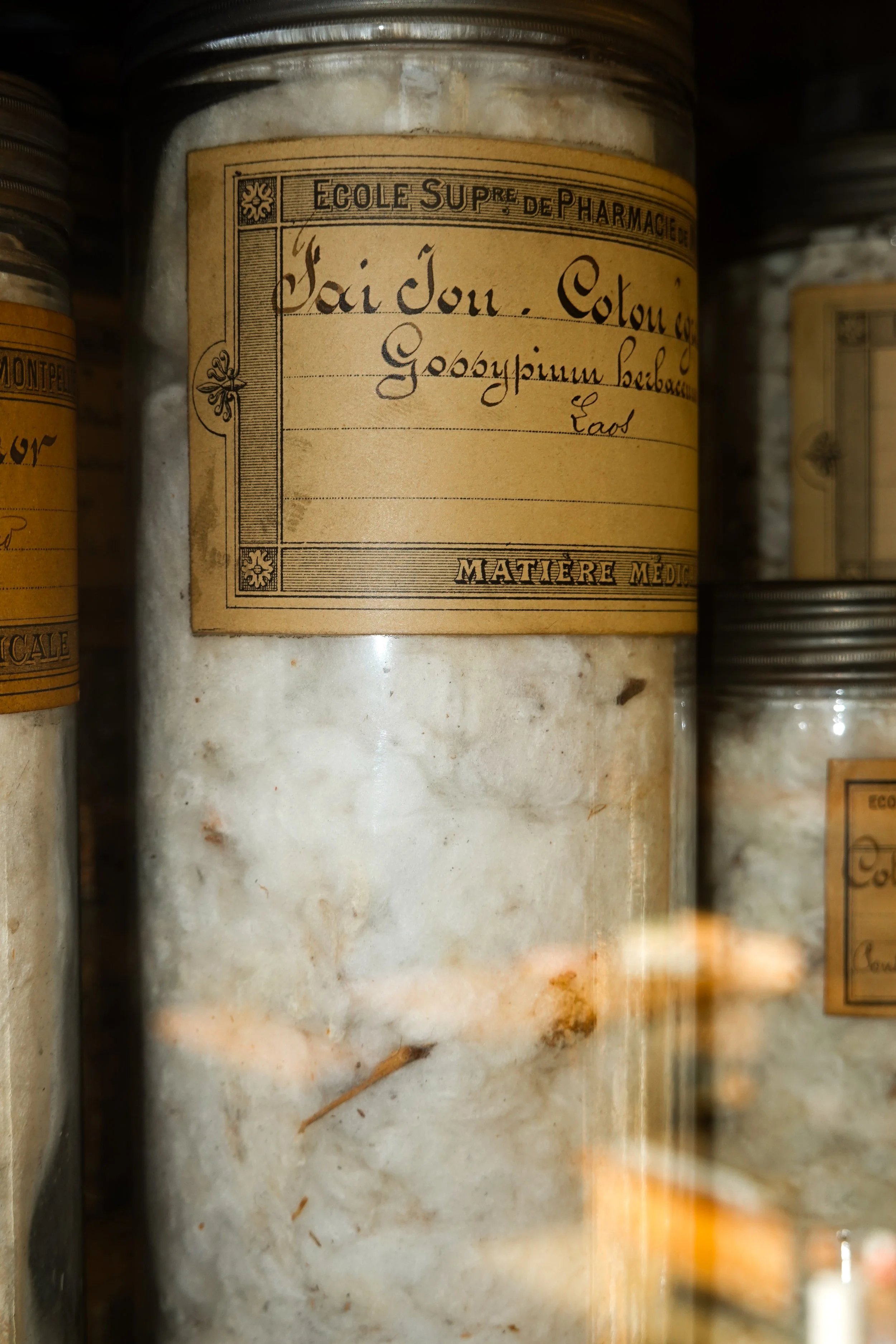
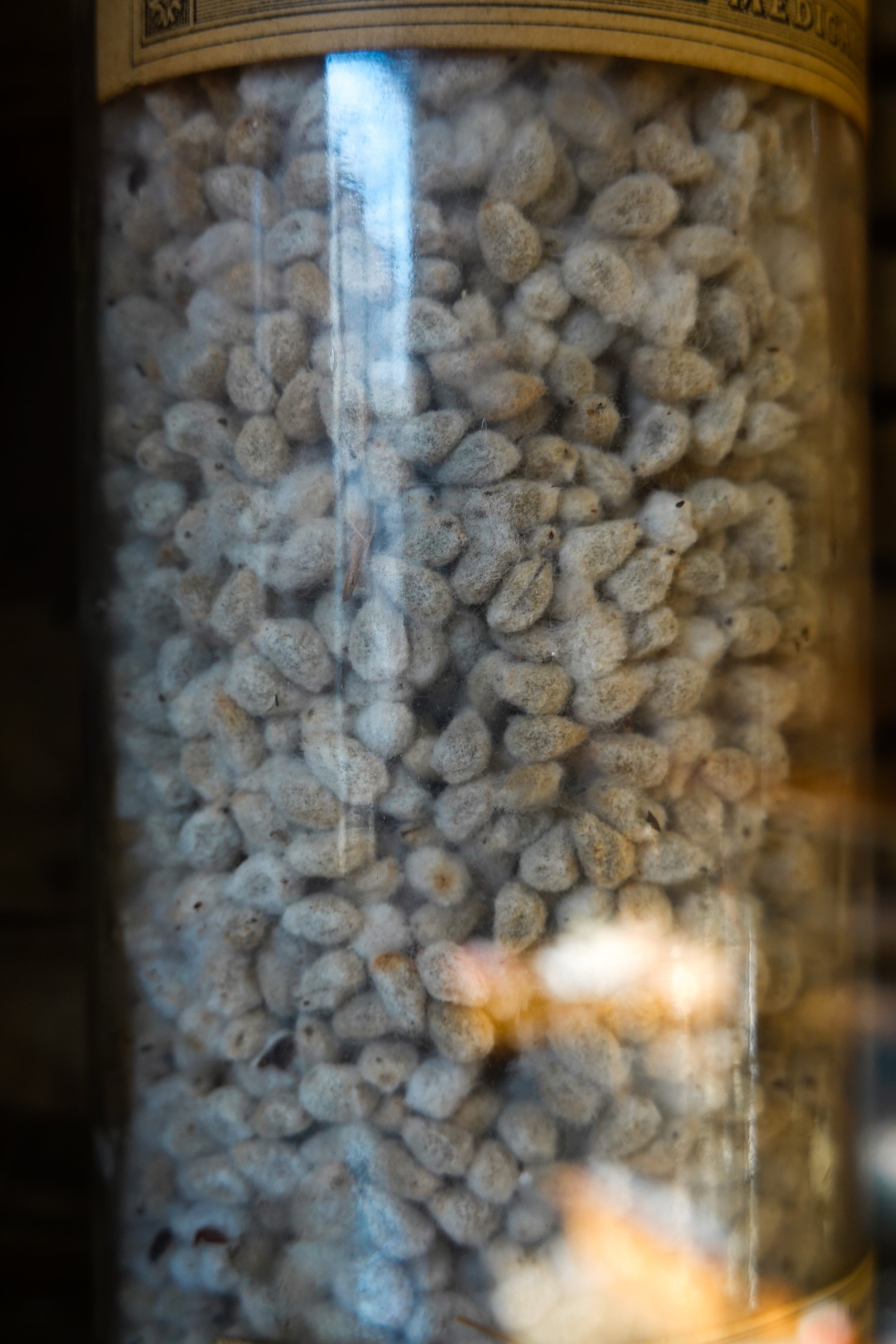
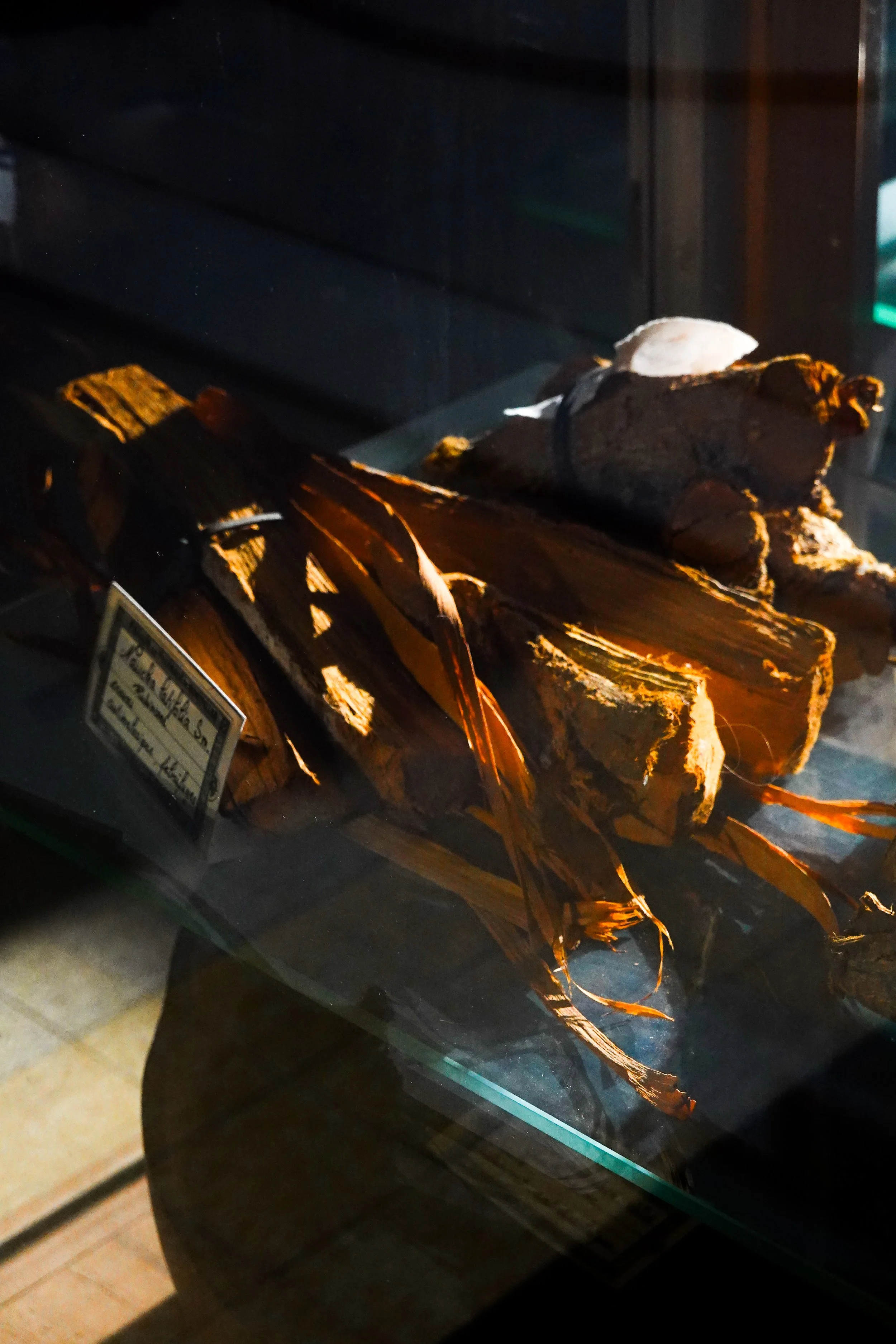
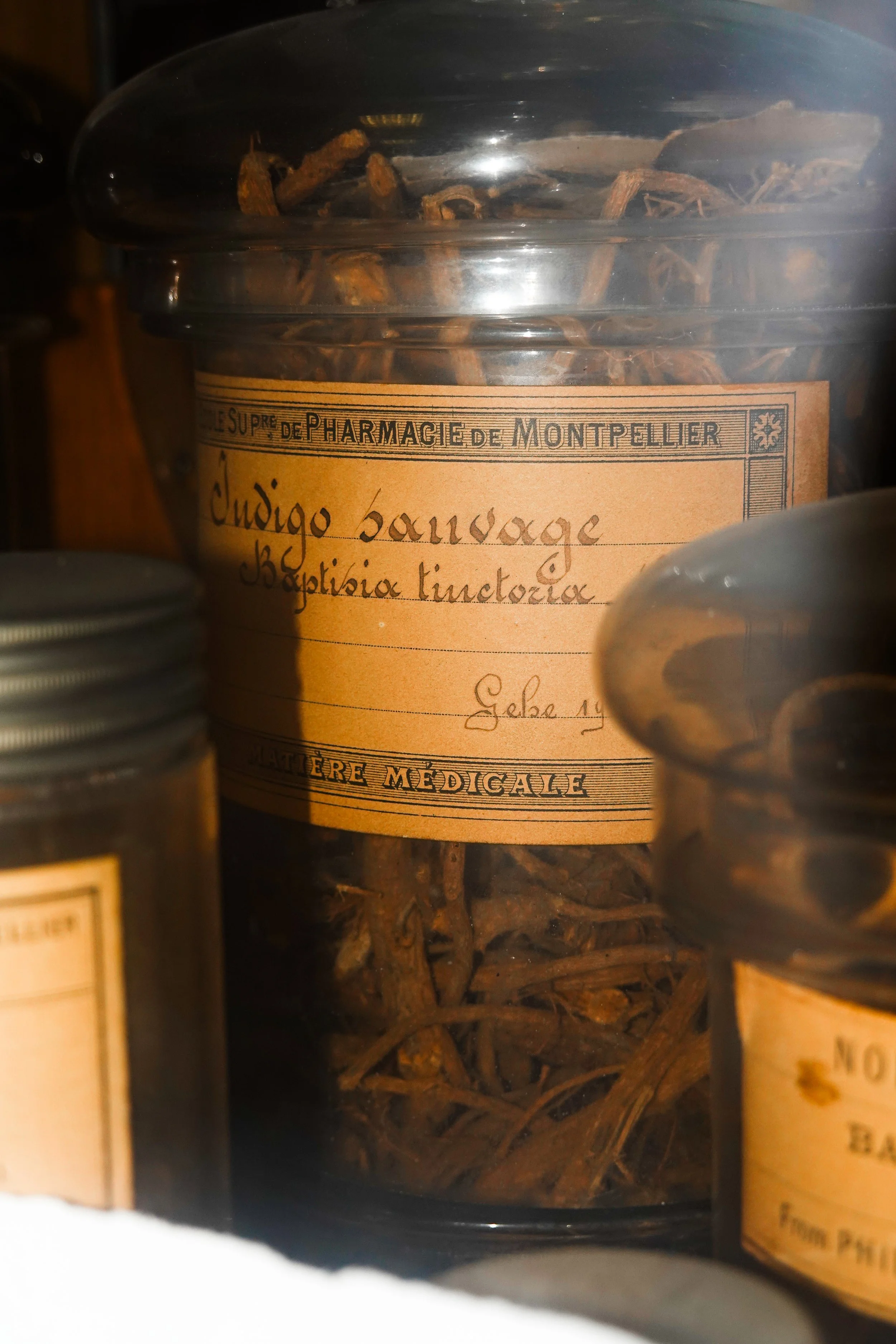
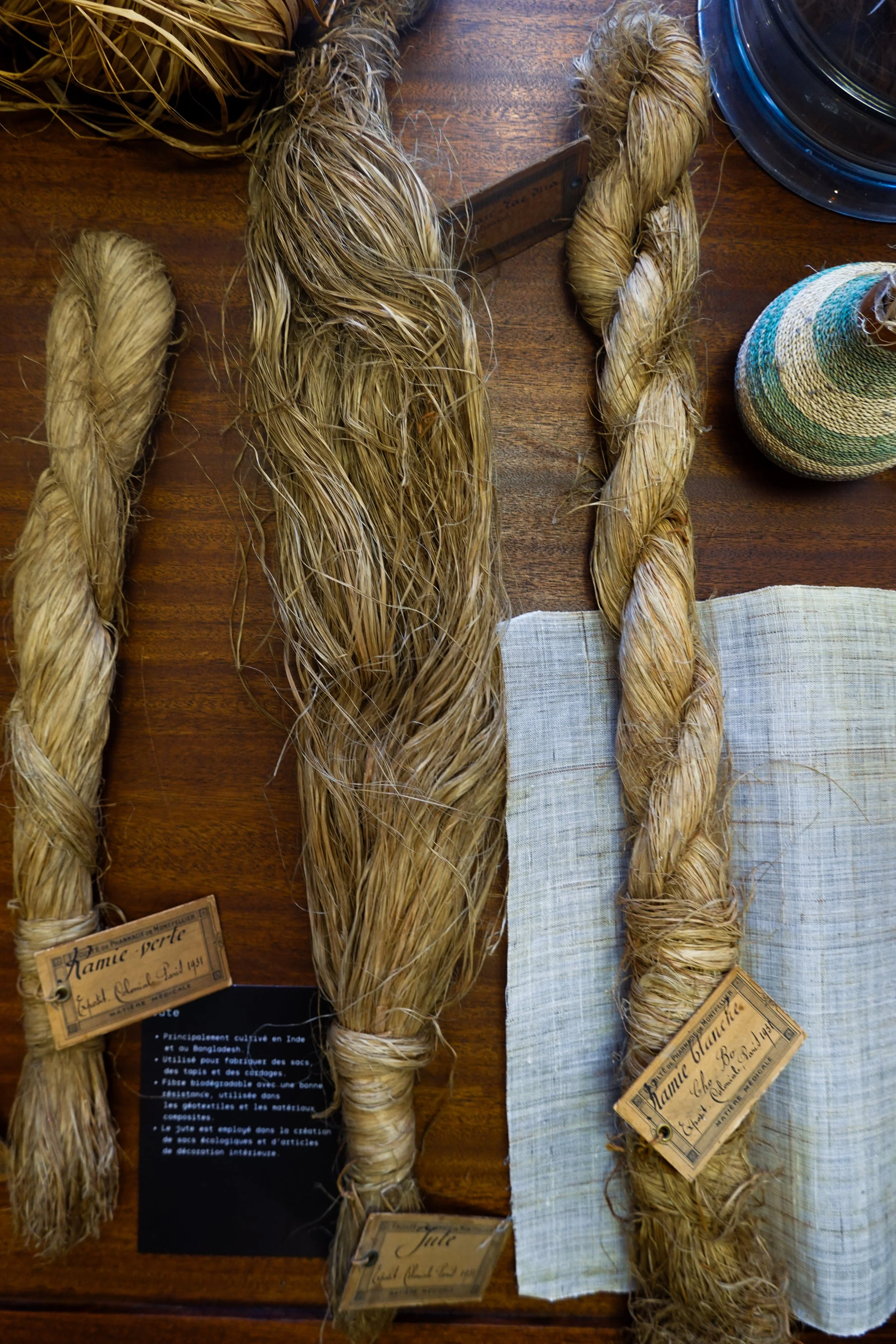
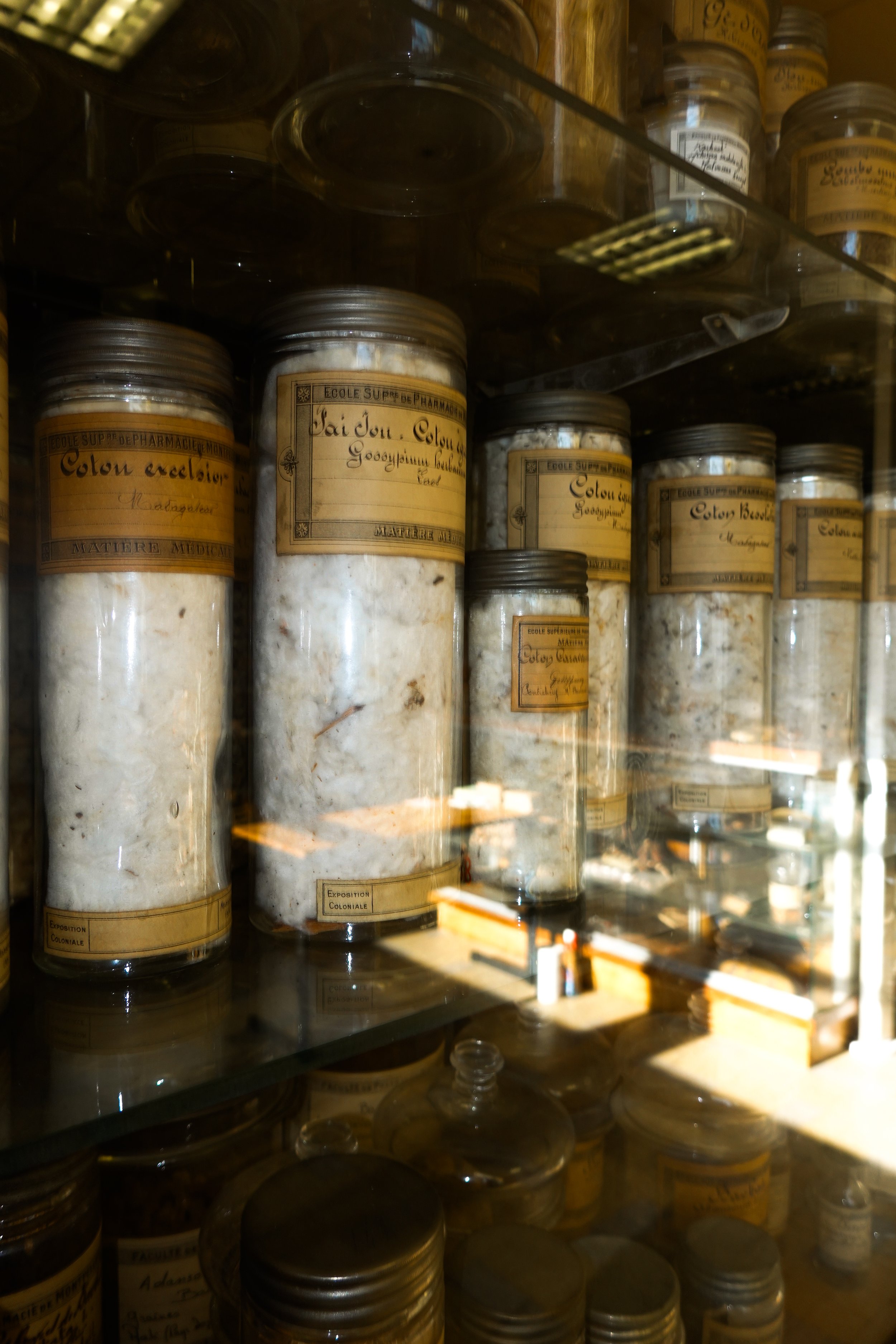
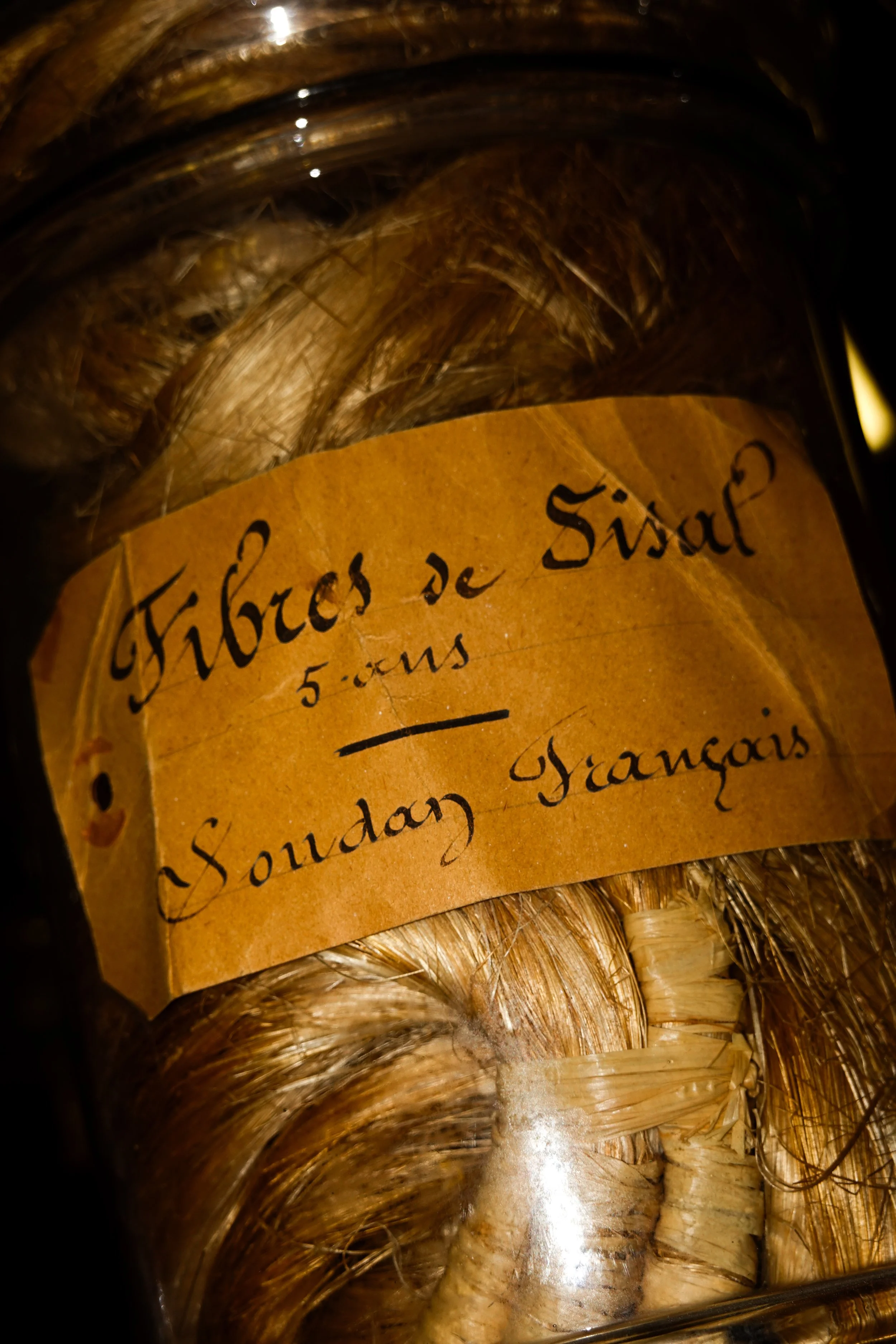
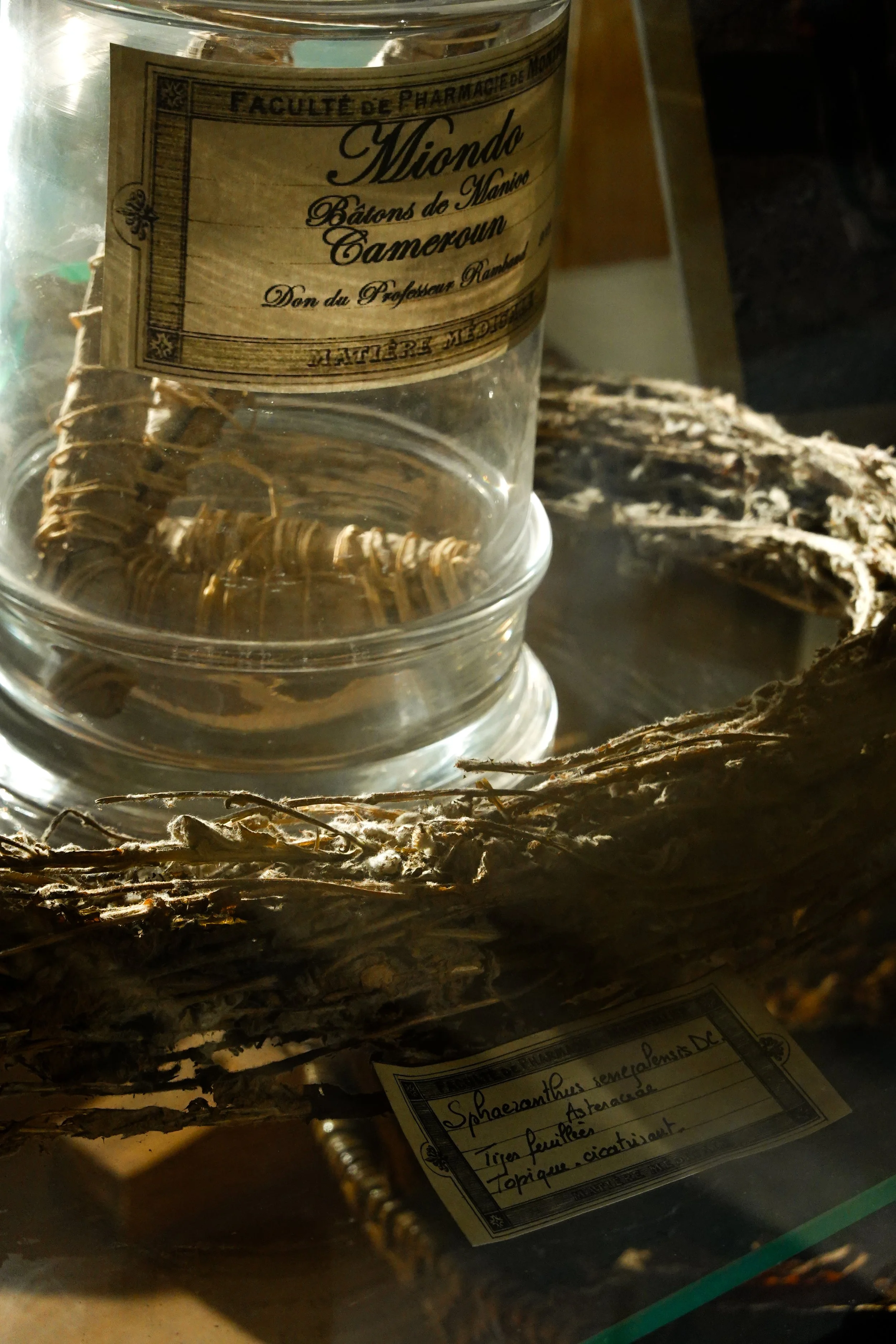
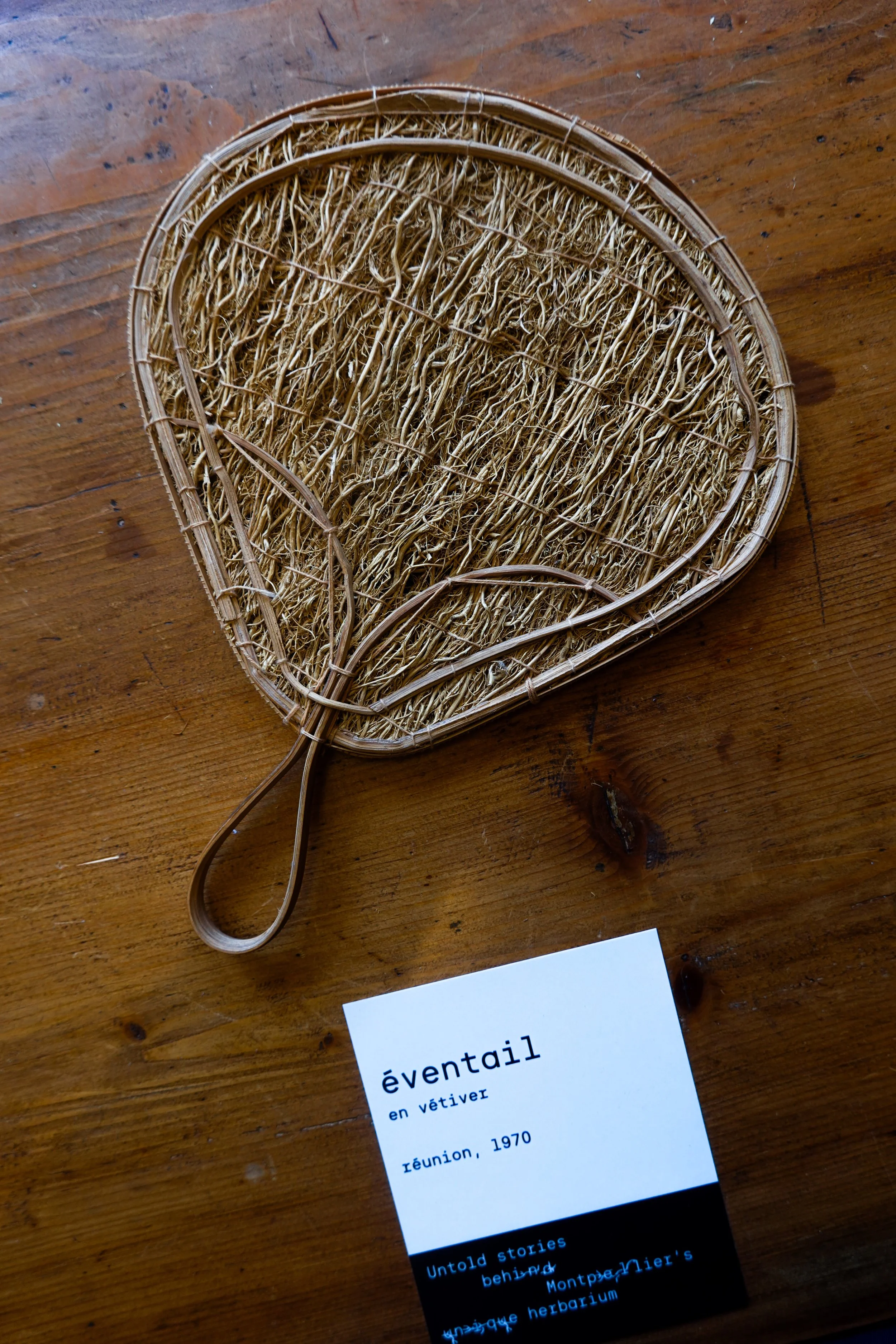
A newly established interdisciplinary research group within the Faculty of Pharmacy, University of Montpellier, seeks to critically examine these complex histories through the lens of art and science. As part of this initiative, the faculty has decided to open up the Droguier – a space accessible to the public only on special occasions – to artists and designers exploring alternative textiles, natural pigments, and regenerative materials, fostering the development of plant-based innovations. The aim is to shine light on the underexplored narratives within the Droguier through an arts-science approach, and to acknowledge the crucial role that contemporary arts and design play in championing sciences through wider publics.
At a time when Europe’s plant knowledge archives risk being overlooked, Heirloom Futures repositions them as living infrastructures for planetary health—connecting biodiversity, care, and cultural memory. The project makes a critical intervention in the face of biodiversity loss and climate breakdown, arguing that rethinking our relationship with plant life is key to sustaining democratic, inclusive, and ecologically grounded futures.
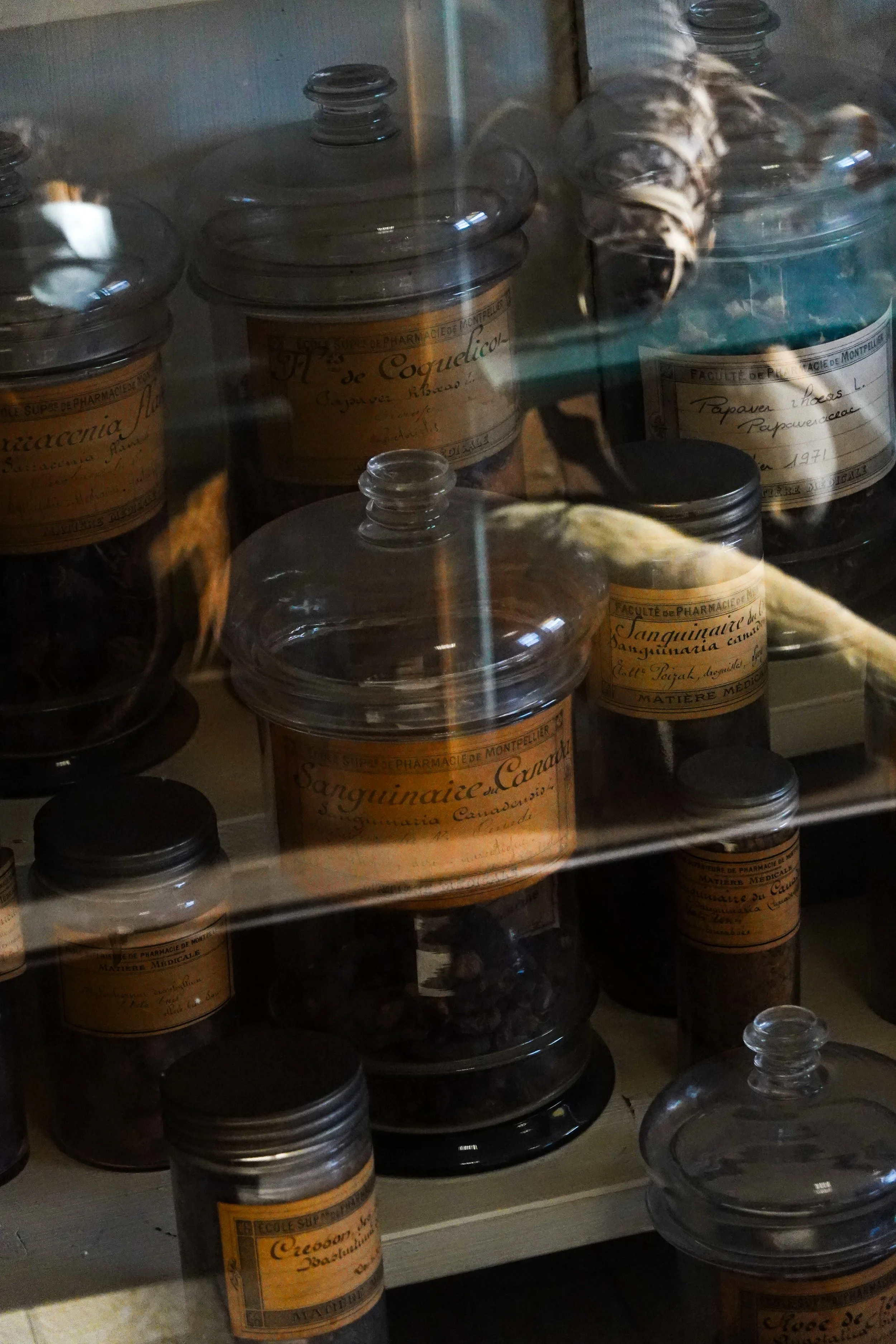
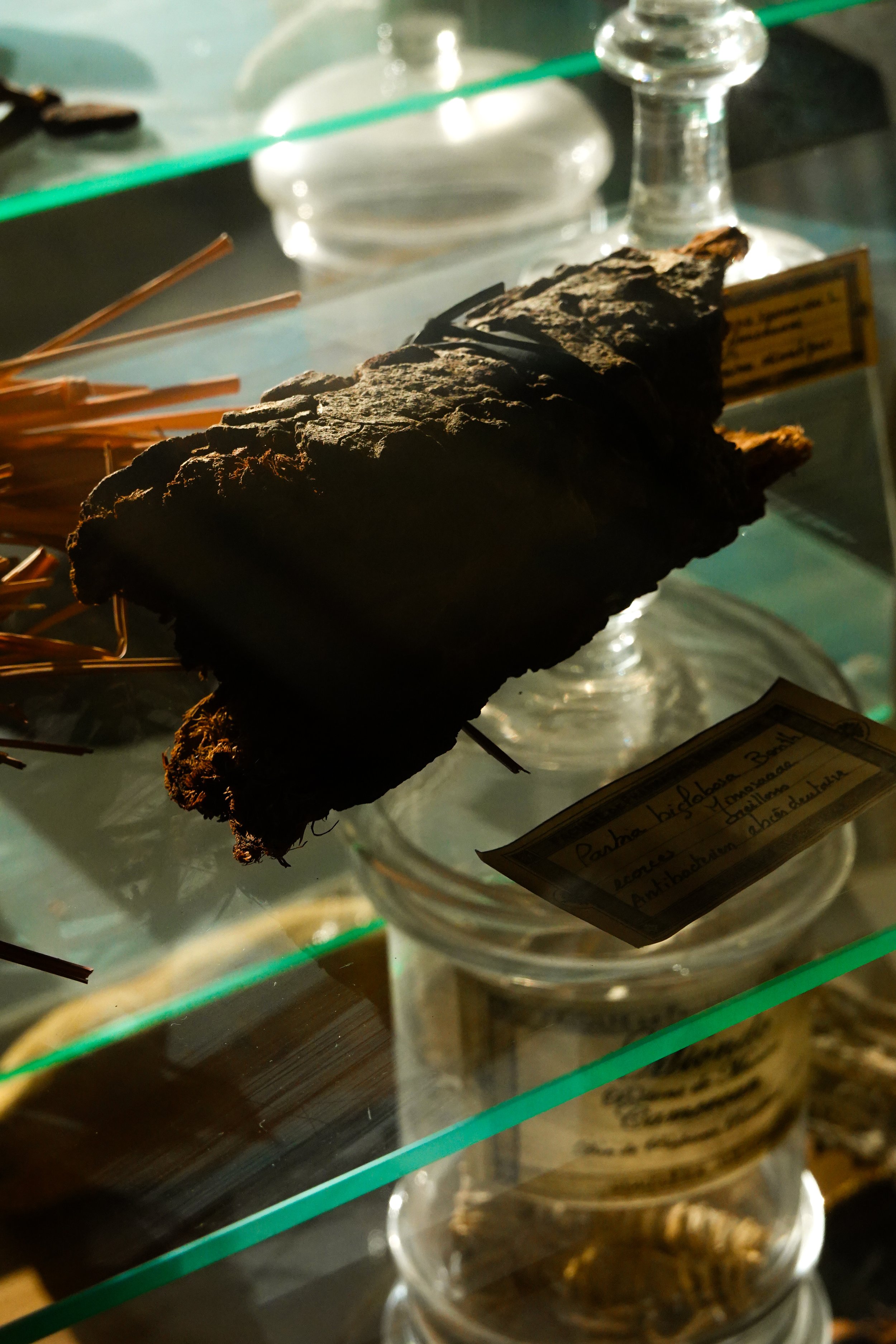
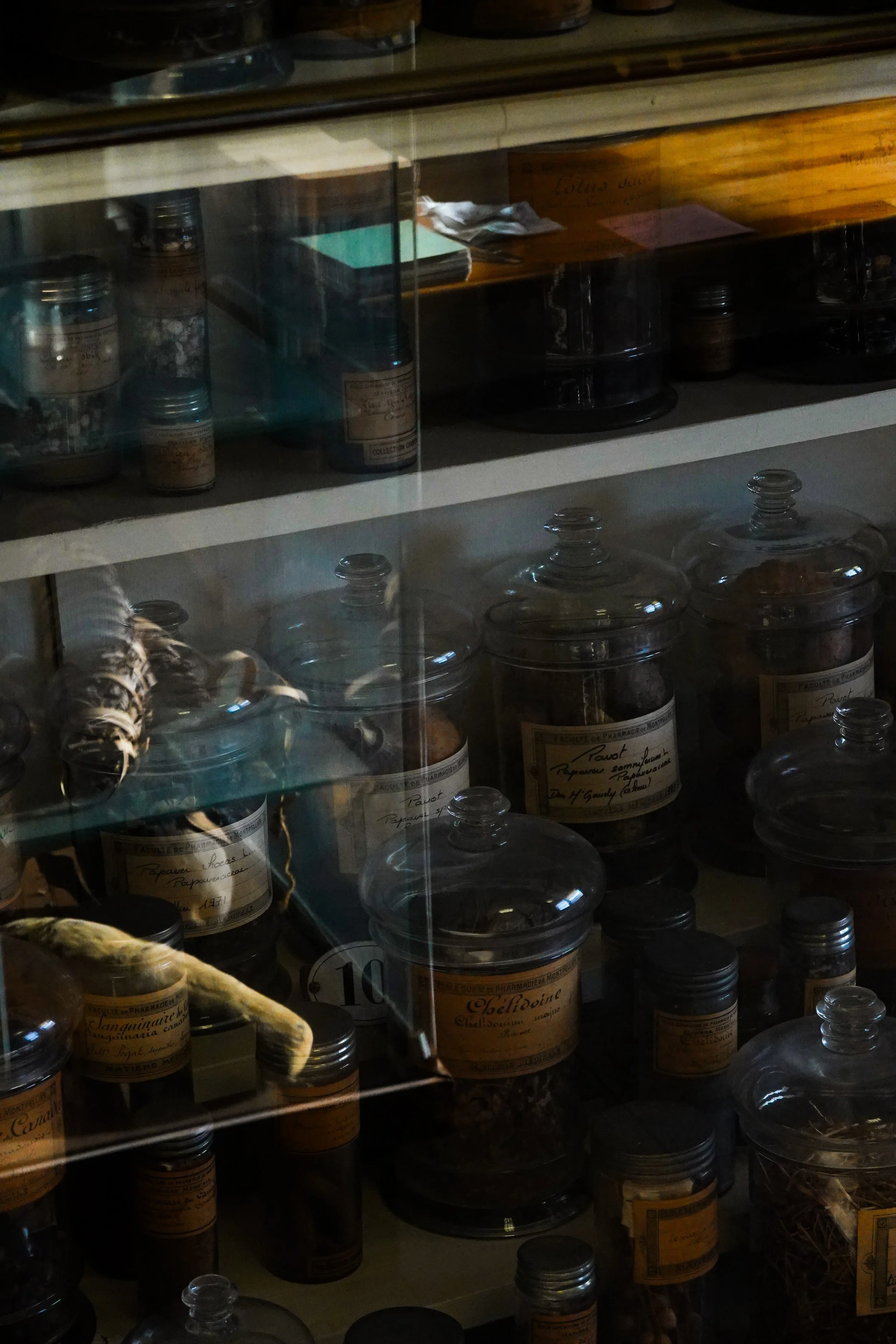
Selected topics of interest:
The droguier intersects with numerous fields and themes that contribute to a holistic understanding of design, sustainability, and material culture:
Environmental history of plants: Understanding how plants shape and are shaped by their environments reveals the interconnectedness of ecosystems and human activity.
Decolonized legacy of colonial exhibitions: Examining plant collections and displays through a post-colonial lens challenges historic narratives and fosters inclusive storytelling.
Abortifacients and contraception: Insights into traditional medicinal practices involving plant-based contraceptives can inform both historical research and modern health designs.
Textile fibres and natural pigments: Exploring plant-derived fibers and dyes supports innovations in sustainable fashion and design.
Botanical sketches and drawings: These serve as a foundation for both scientific documentation and artistic inspiration, linking natural forms to creative processes.
Plant-based materials in sesign: The droguier’s resources promote the use of renewable, eco-friendly materials, encouraging a shift toward sustainable production systems.
The story of quinine and malaria: A pivotal narrative in global health history, it highlights the potential of plant-based solutions to address societal challenges.
Food security: The role of grains and other plants in sustaining populations ties the droguier’s collections to contemporary issues of food equity and resilience.
Biodiversity loss and the role of herbaria: As biodiversity declines, herbaria like the droguier play a vital role in preserving genetic material and educating about conservation.

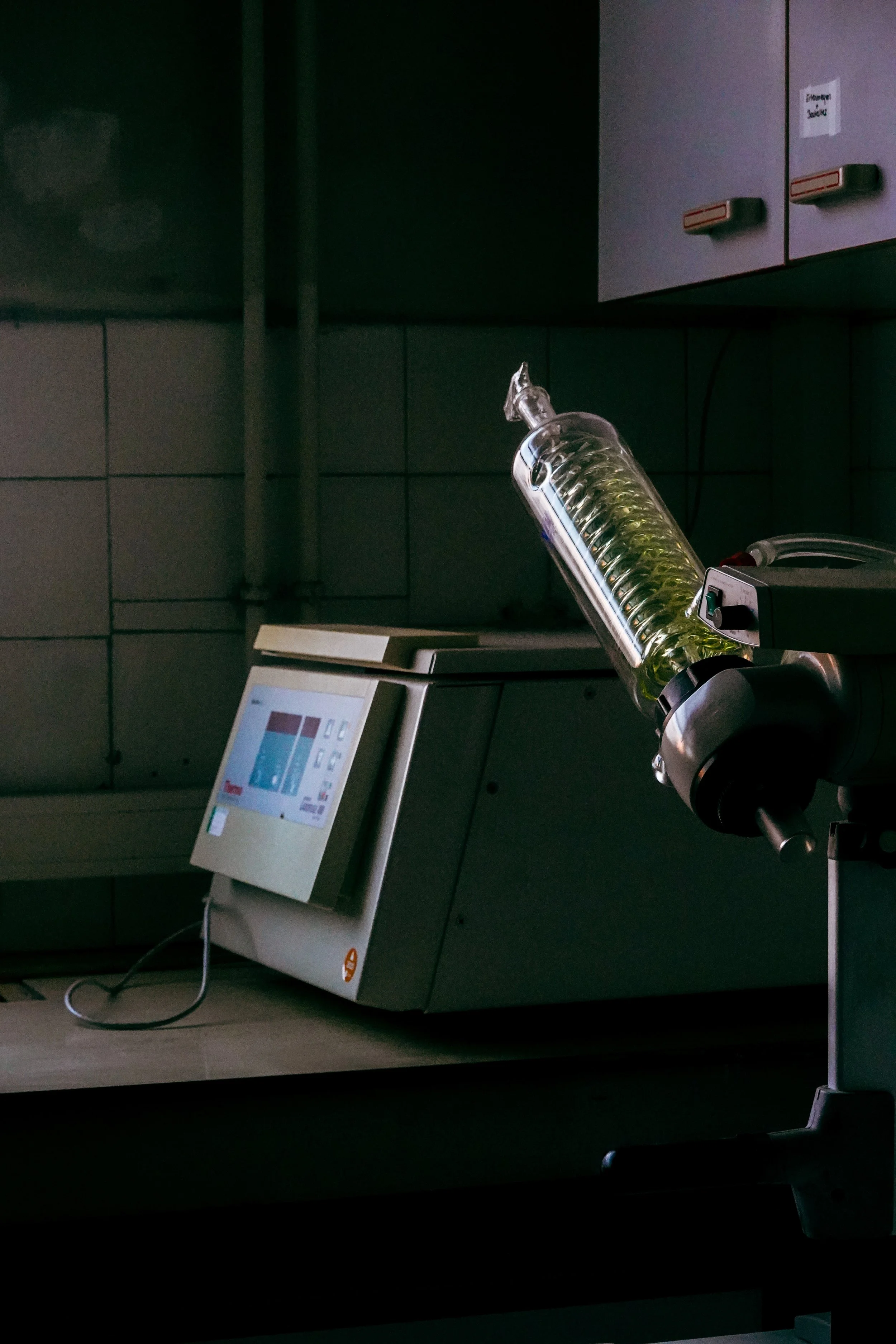
Anti(h)lab operates at the intersection of ethnobotany and pharmacology, weaving together interdisciplinary methods that bridge fieldwork with lab-based scientific inquiry. Our collaborations draw in botanists, chemists, anthropologists, and pharmacologists—each contributing to a shared vision of advancing healthcare in ways that honour traditional knowledge while grounding it in rigorous science.
Yet our mission extends beyond science alone; we are committed to fostering interdisciplinary connections across the arts, culture, and design, recognising these fields as vital partners in shaping public understanding and ethical practices. With this ethos, we share our journey widely, engaging the public through social media and leading Further Research is Necessary, a podcast and Substack newsletter produced in partnership with our sister platform, Haenke. Here, knowledge flows across fields and into wider conversations, sustaining a commitment to community, curiosity, and ongoing inquiry.
Anti(h)lab gestures toward an ethos—a deliberate movement beyond the conventional academic lenses typically cast upon 'medicinal plants.' With a spirit that is both subversive and inquisitive, Anti(h)lab aims to reconfigure our understanding, inviting a broader, more nuanced view of the life forms that shape our shared world. In this, it embraces the potential of plants as agents of social transformation, recognising their capacities not only as biological resources but as co-constituents in the web of life, demanding respect, reciprocity, and reimagined relationships.
This project is realised as part of a collaboration with the Faculty of Pharmacy, University of Montpellier, France.
To arrange a visit, please drop us a line at bonjour@antihlab.fr.